Home › Reviews › Nex Max
Air Bar Nex Max Pod Capacity and Refilling Insights 2026
Published 2026 · VapeWholesaleHub trade desk
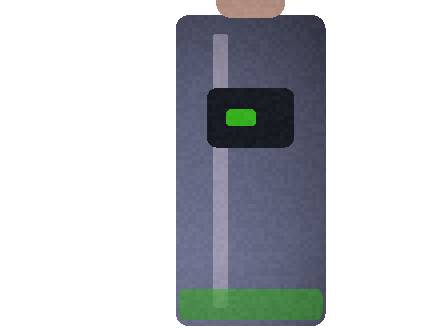
Pod capacity and refill behaviour directly affect how often a Nex Max customer comes back to the shop.
Between the factory gate and the retail shelf, pod capacity and refilling is where most of the value on the Nex Max is either created or lost.
In practice the decision comes down to three numbers: unit cost, freight per unit and the realistic sell through rate for Nex Max.
Why pod capacity and refilling matters on the Nex Max
Larger reservoirs reduce refill frequency but can change flavour consistency near the end of a fill.
Cash flow is the quiet constraint behind pod capacity and refilling: the cheapest option is rarely the one that frees the most working capital.
Clear visibility windows help users judge remaining liquid without opening the pod.
Reference specification
| Item | Value |
|---|---|
| Model | Nex Max |
| Brand | Air Bar |
| Category | Reviews |
| Battery | 400 mAh |
| Output range | 5-25 W |
| Capacity | 3.0 ml |
| Charging | Magnetic dock |
| Coil options | 1.0 / 1.2 ohm |
| Carton quantity | 50 units |
Sealed pods simplify compliance in markets that restrict refillable containers.
Practical notes for buyers
Freight consolidation changes the answer to pod capacity and refilling at container scale, which is why small and large buyers reach different conclusions.
Shops that receive a short briefing on pod capacity and refilling convert noticeably better than shops that only receive stock.
Checklist
- Check carton quantities against the commercial invoice line by line.
- Review the reorder point after one full selling cycle.
- Log sell through by account for the first eight weeks.
- Keep certificates current and filed against the exact model name.
- Confirm the exact configuration in writing before the deposit is paid.
- Record the arrival condition with photographs on the day of delivery.
Commercial terms
Commercial terms are usually agreed in three parts: a deposit on confirmation, a balance before shipment and a stated validity window.
Lead times are a function of component availability as much as factory capacity, so buffers should reflect both.
| Volume tier | Indicative unit level | Lead time |
|---|---|---|
| Carton (74 units) | Tier 1 | 21-30 days |
| Pallet (818 units) | Tier 2 | 21-30 days |
| Container (7574 units) | Tier 3 | 30-45 days |
Frequently asked questions
Should a distributor stock refillable or sealed pods for Nex Max?
Stock both where regulation allows; sealed pods move faster in convenience channels, refillable in specialist shops.
Can several models be mixed in one shipment?
Yes, mixing models and flavours within a carton or pallet is common and usually helps first time buyers test demand.
Do you support long term supply agreements?
Yes, rolling agreements with defined review points work better for both sides than rigid annual commitments.
Is documentation provided for customs?
Commercial invoice, packing list and the relevant certificates are supplied; the importer's broker handles the declaration.
Final word
If only one thing changes after reading this, let it be the habit of checking pod capacity and refilling before reordering.
Trade enquiry
Quotations, samples and artwork files are available on request. Please state model, quantity per SKU, destination and target delivery window.
Related reading
- Air Bar Meta S Wholesale Buying Guide for Bulk Buyers
- How to Source Air Bar AirBar Air: Distributor Agreement Terms
- Retail Pricing Psychology Guide for Air Bar Box S
- How to Source Air Bar Vibe 4: Bundle and Promotion Planning
- Air Bar Meta 4: Retail Pricing Psychology for Distributors
- Air Bar Nex 4 Flavor Portfolio Checklist 2026